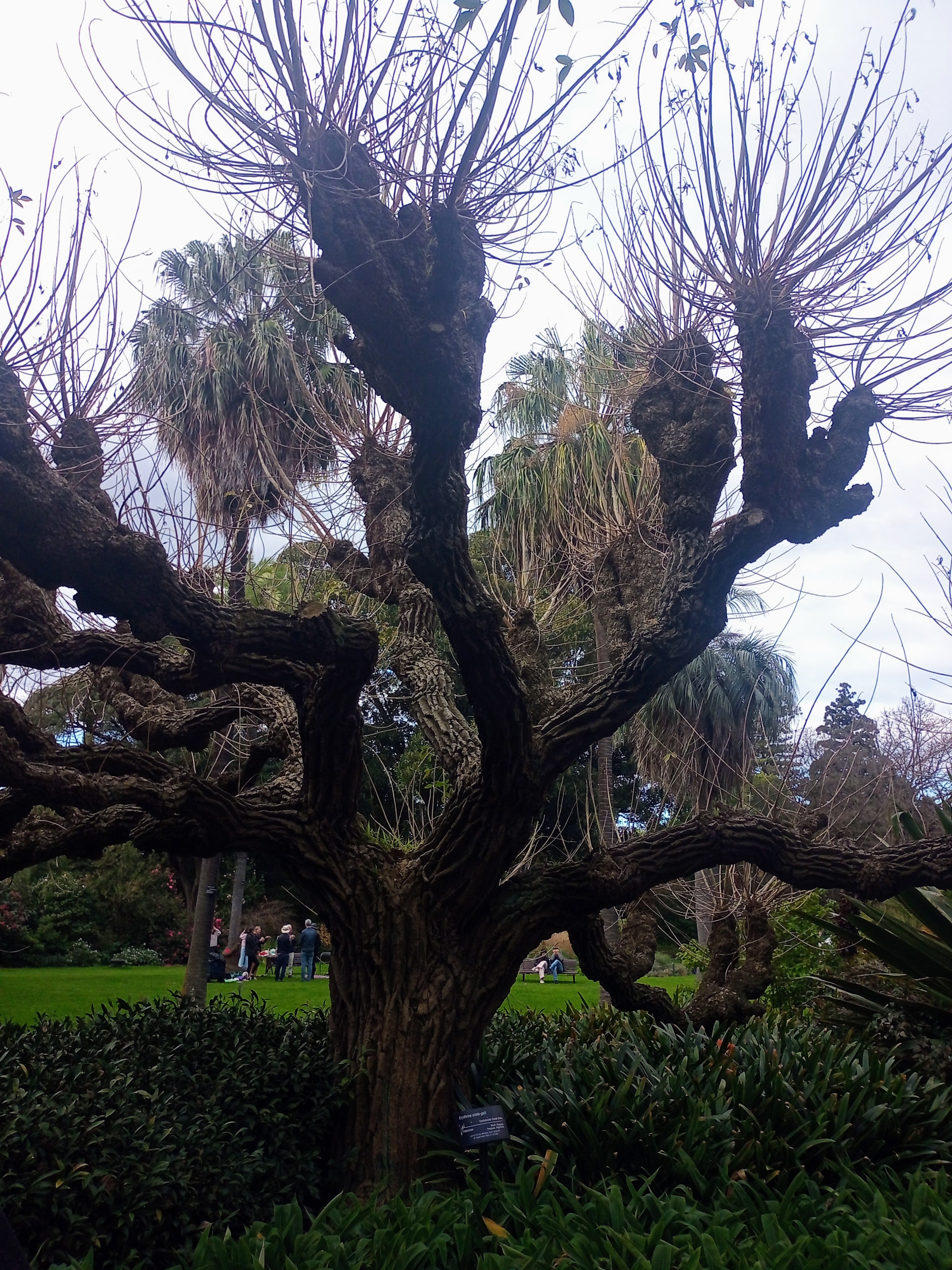
Erythrina crista-galli, commonly known as Cockscomb Coral Tree, has been officially recognized as a significant tree, having been planted by Muller.
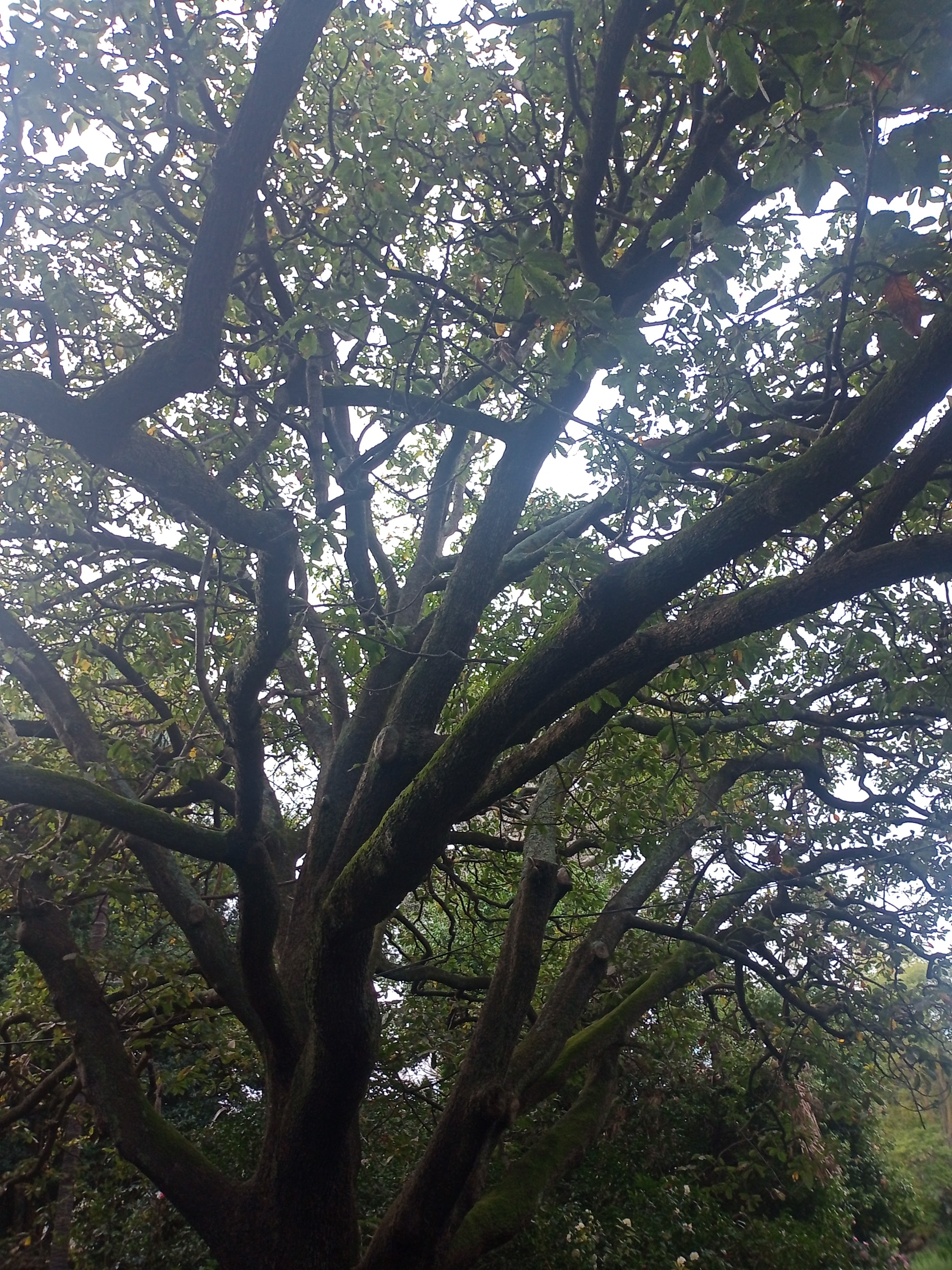
Quercus canariensis, commonly known as Guilfoyle Oak, can be found in close proximity to the gate of the Garden’s House.
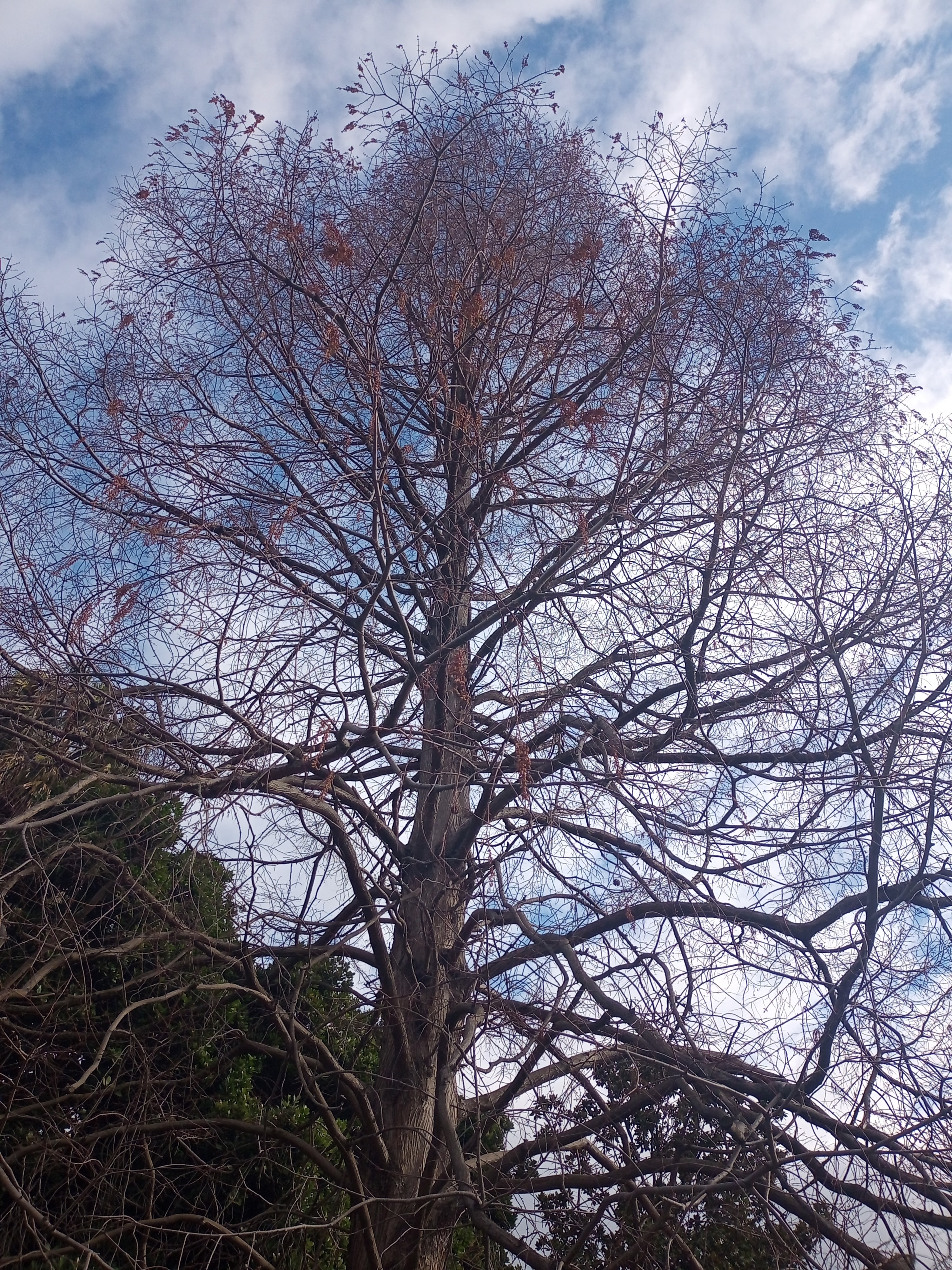
Metasequoia glyptostroboides, commonly known as Dawn redwood, is a tree native to China and often referred to as the “Dinosaur tree.” It was first planted around 1916.
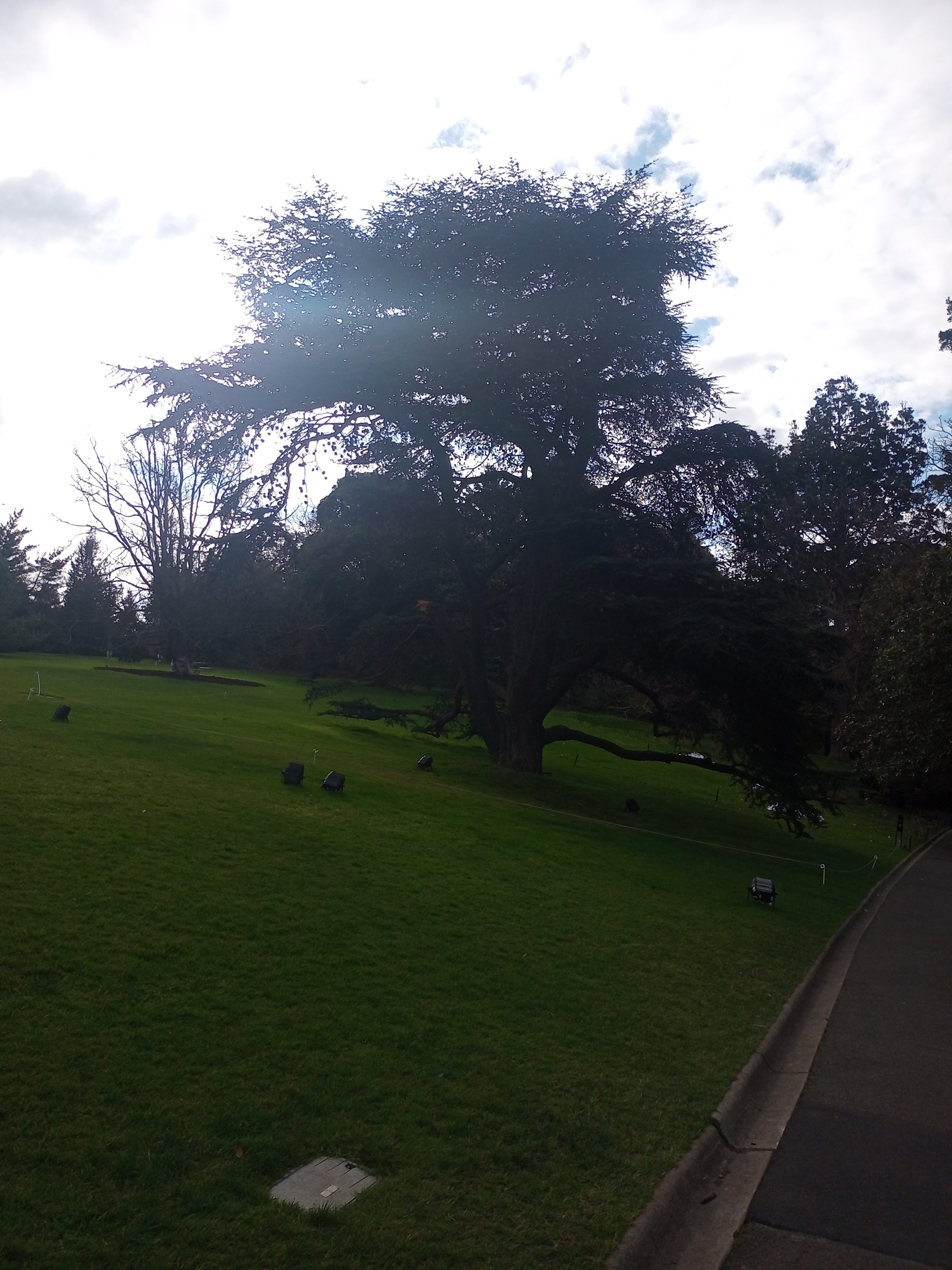
Cedrus libani: Cedar of Lebanon
Australia is exporting seeds from the Cedar of Lebanon (Cedrus libani) to various countries, including those where you can find them at the Melbourne Government House..
Tree location: Lawn where you can see the Melbourne Government house in the garden
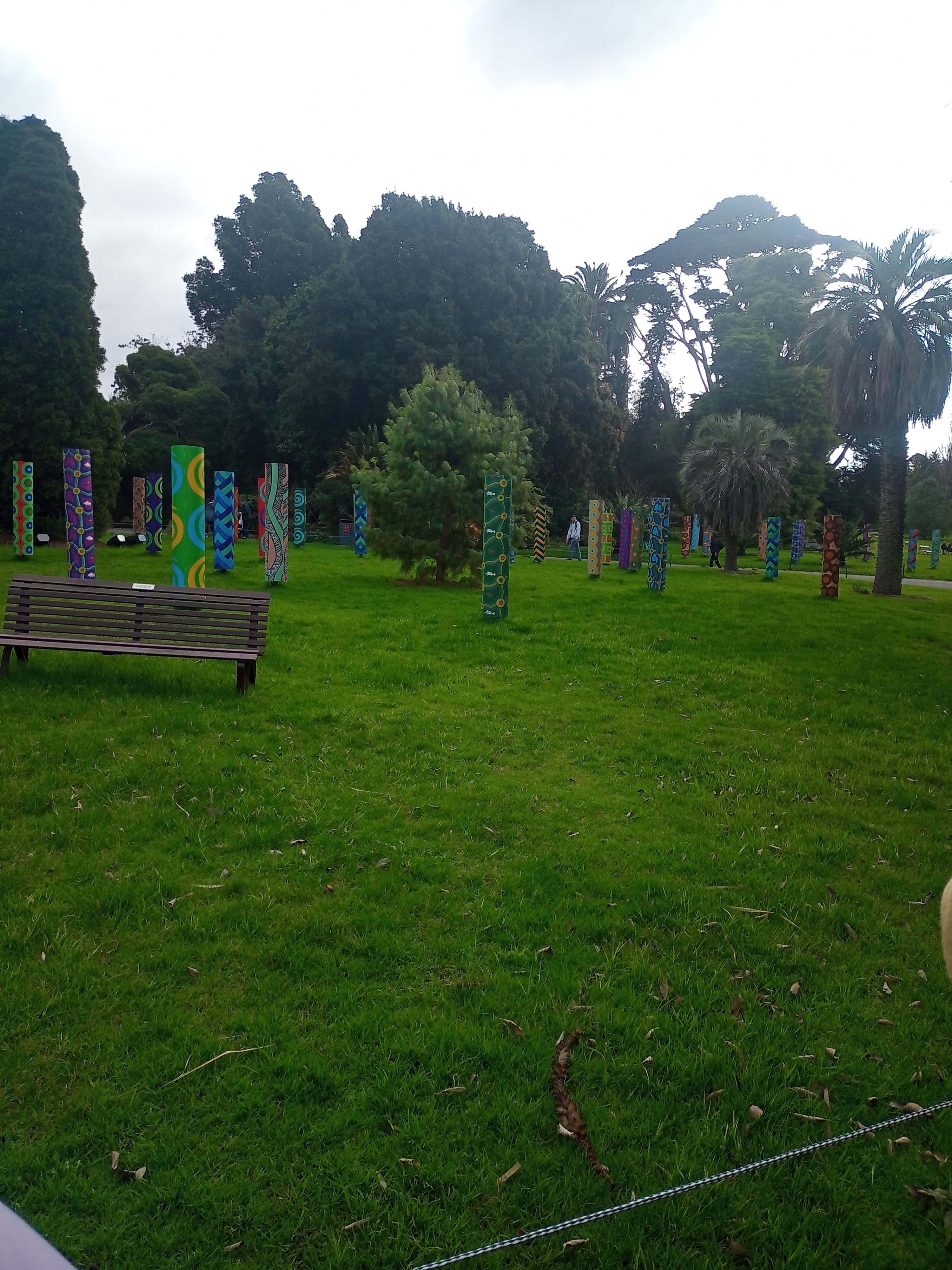
A Pine tree from Mexico, which is currently small and has been recently planted.
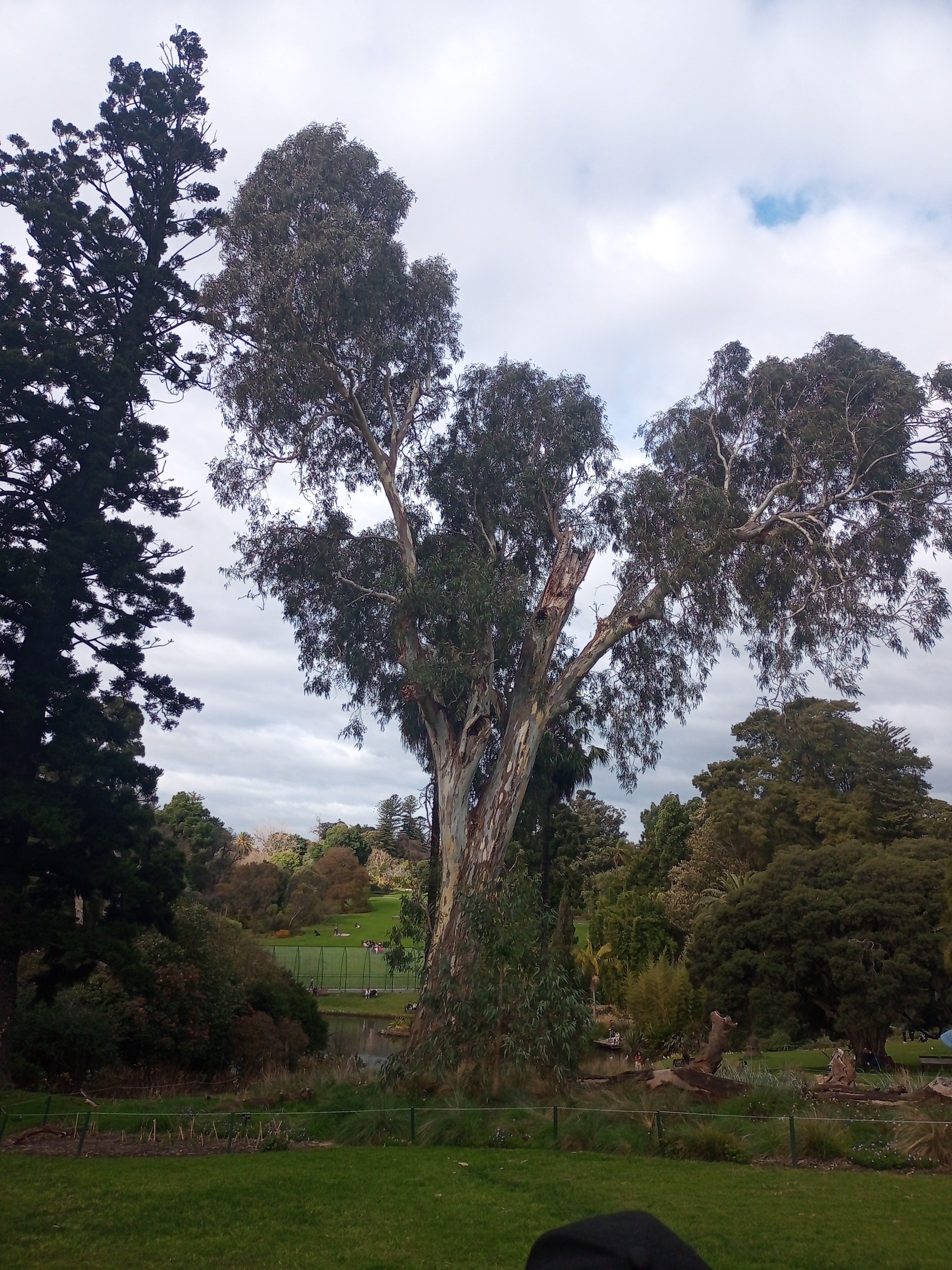
The Redgum (Eucalyptus camaldulensis), also known as the Cockatoos tree, sustains a rich ecosystem with birds, animals, insects, fungi, and more. Originating from Italy, it has predominantly thrived in Australia while establishing in only four other locations worldwide, offering valuable honey and timber resources.
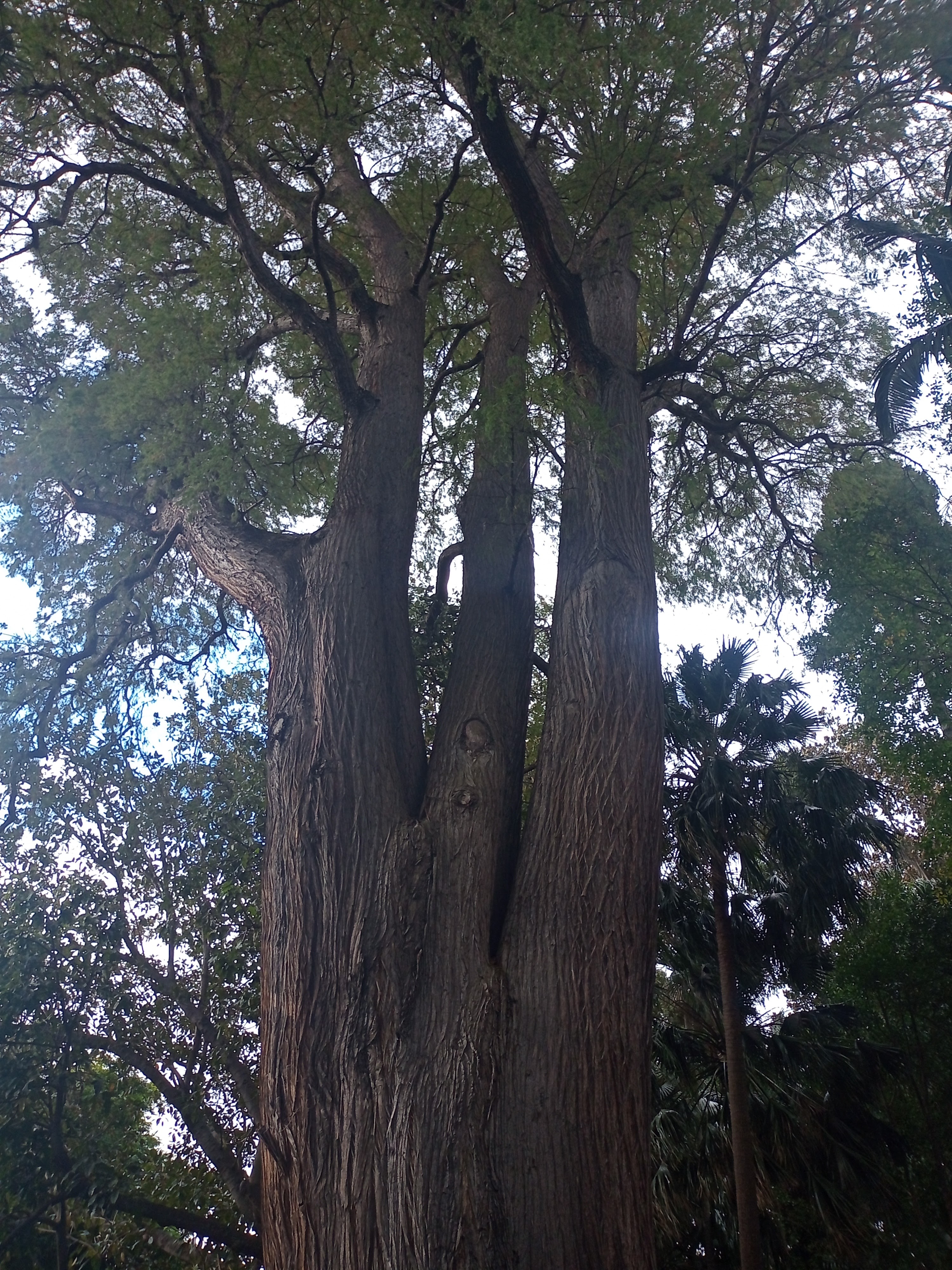
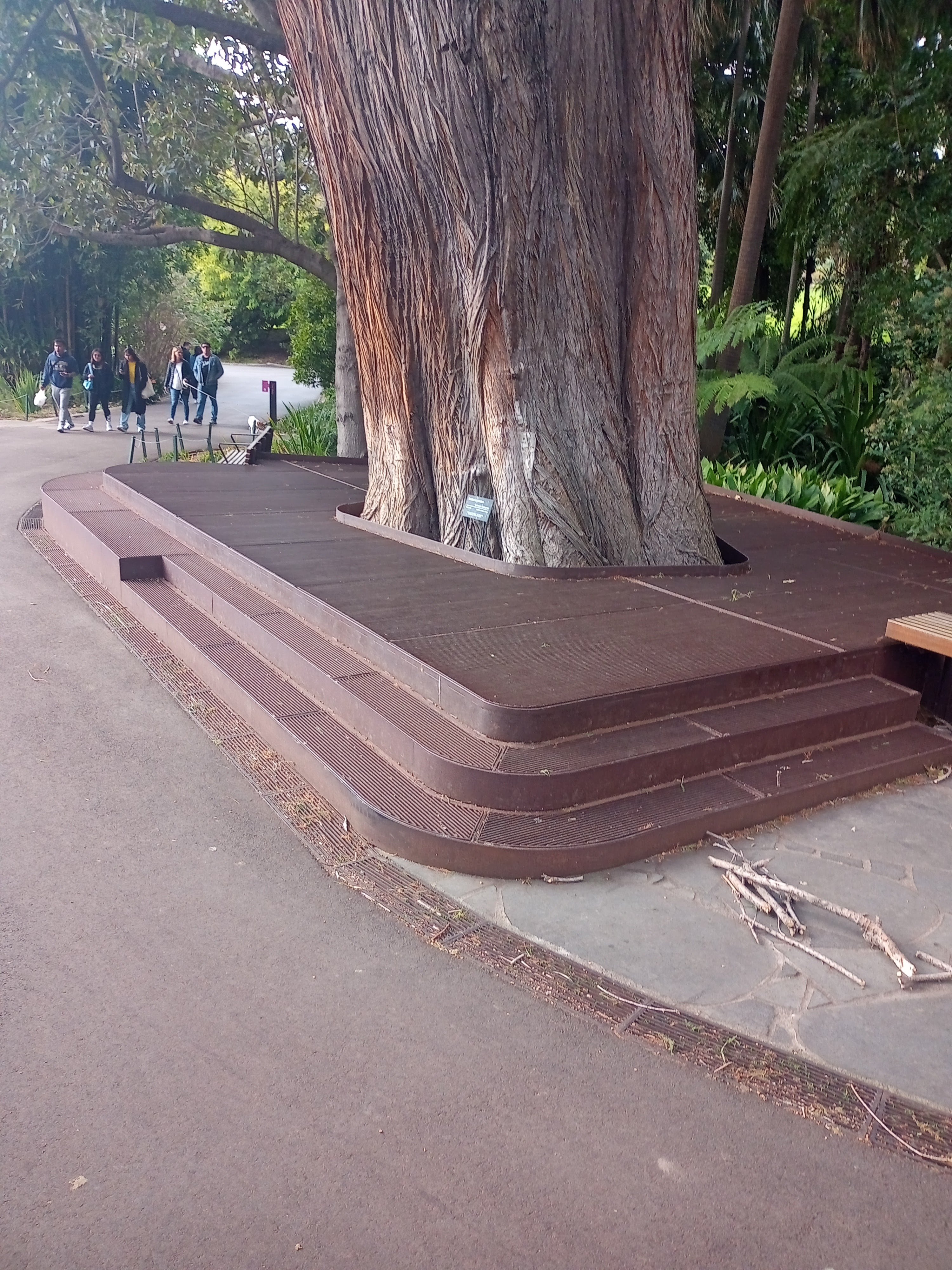
Taxodium mucronatum, commonly known as Montezuma Cypress, stands tall as the largest tree in the garden.
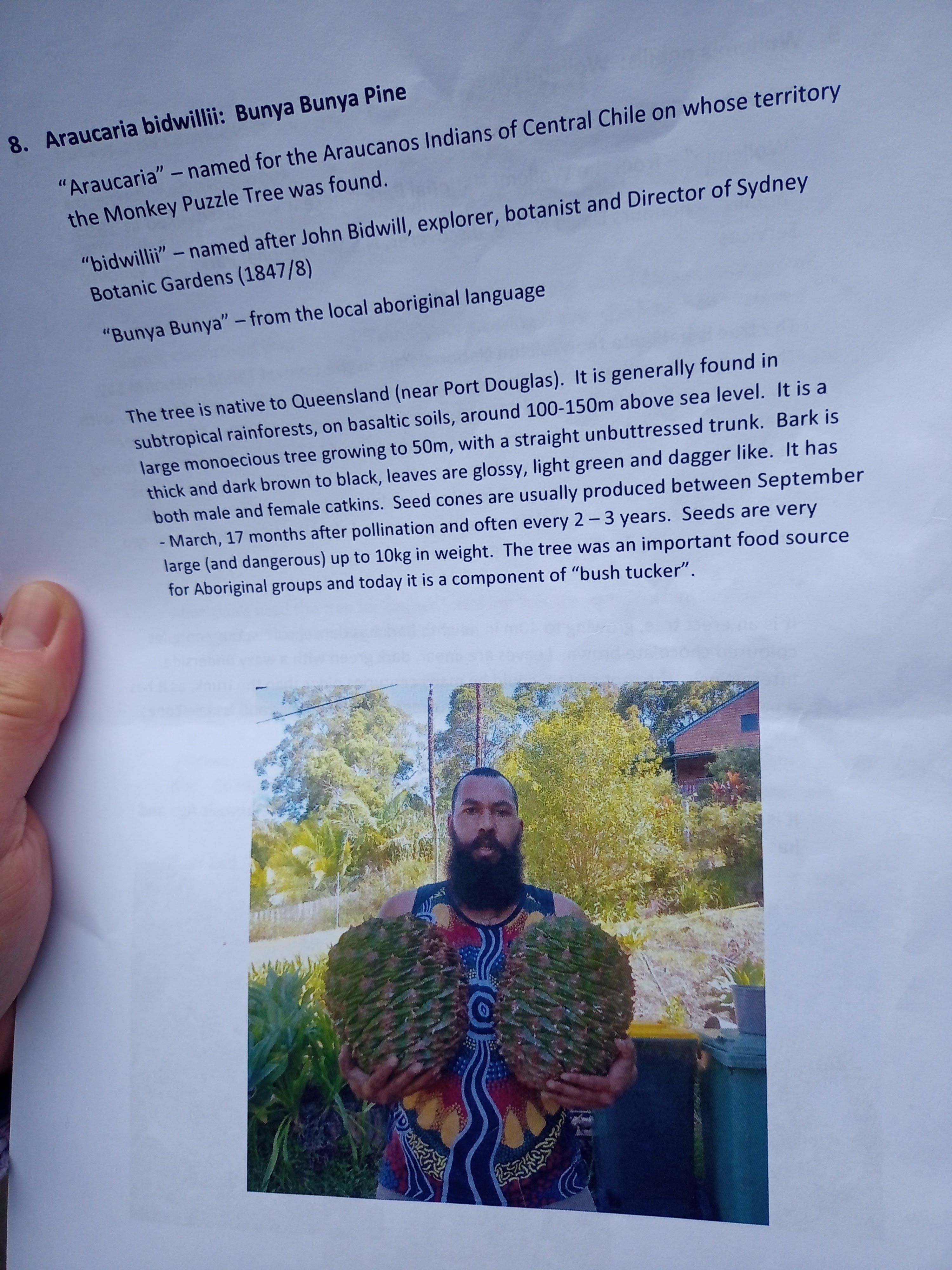
(Araucaria bidwillii: Bunya Bunya Pine)
The Bunya Bunya Pine, once belonging to an Aboriginal tribe, holds historical significance. It boasts large and distinctive fruits, adding to its unique appeal.
Interestingly, this tree species can be found in various regions, including New Caledonia, South America, New Zealand, and Malaysia.
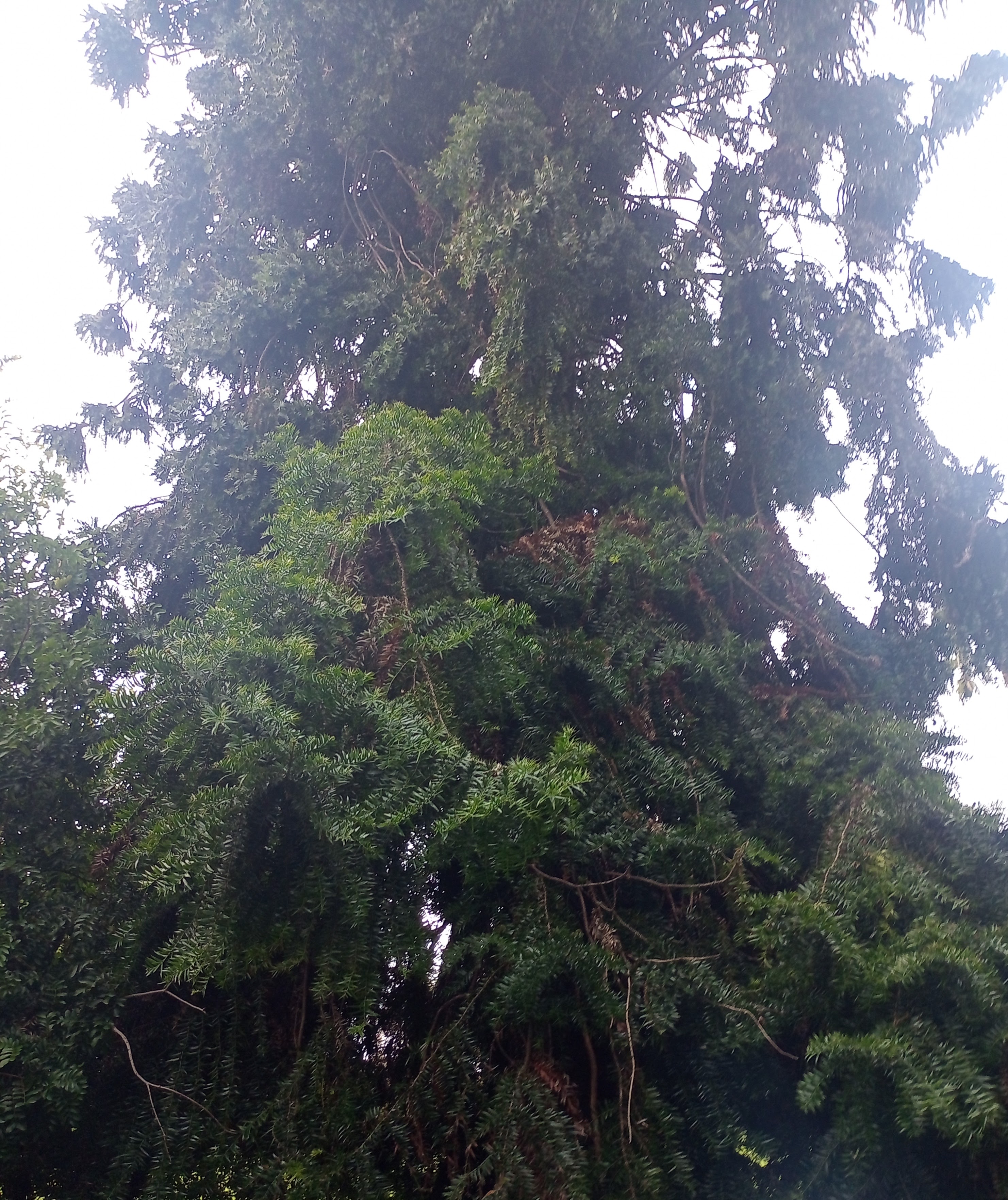
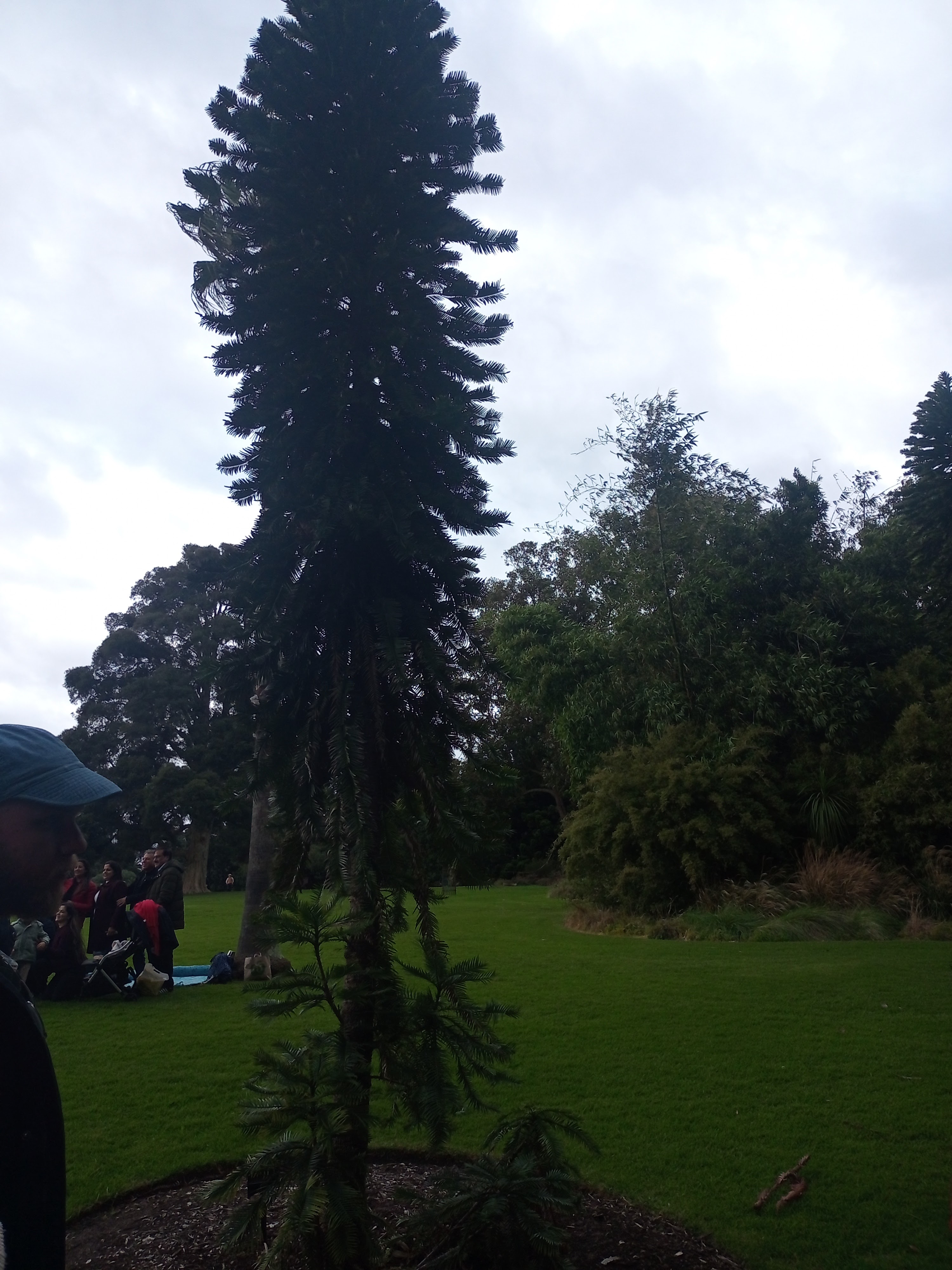
(Wollemi nobilis: Wollemi Pine)
The Wollemi Pine is a slender tree species that spreads through wind propagation.
Remarkably, this tree has developed an exceptional ability to withstand bushfires, making it a survivor in harsh conditions.
Interestingly, the Wollemi Pine holds significance as a genuine Australian Christmas tree.
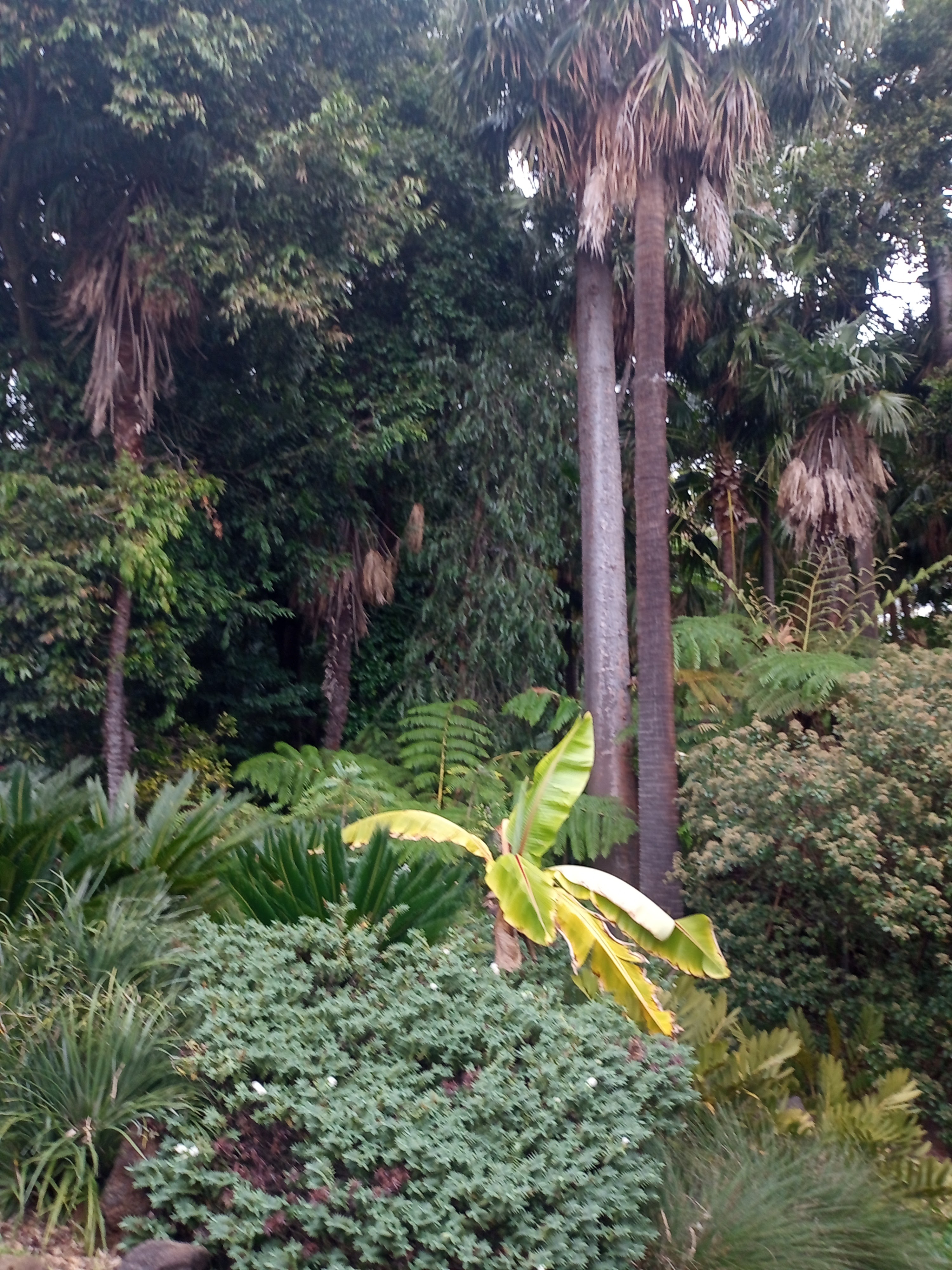
(Eucalyptus regans: Mountain Ash)
Eucalyptus regans, also known as Mountain Ash, is not fire-adapted and easily catches fire. Its regrowth relies solely on seeds, which are spread via helicopter after bushfire incidents to restore affected areas. Mountain Ash, the largest flowering tree (Tasmania oak) in the world, takes a century to mature. The tree at Royal Botanic Gardens Melbourne is around 10 to 12 years old and thrives despite being surrounded by other plants.
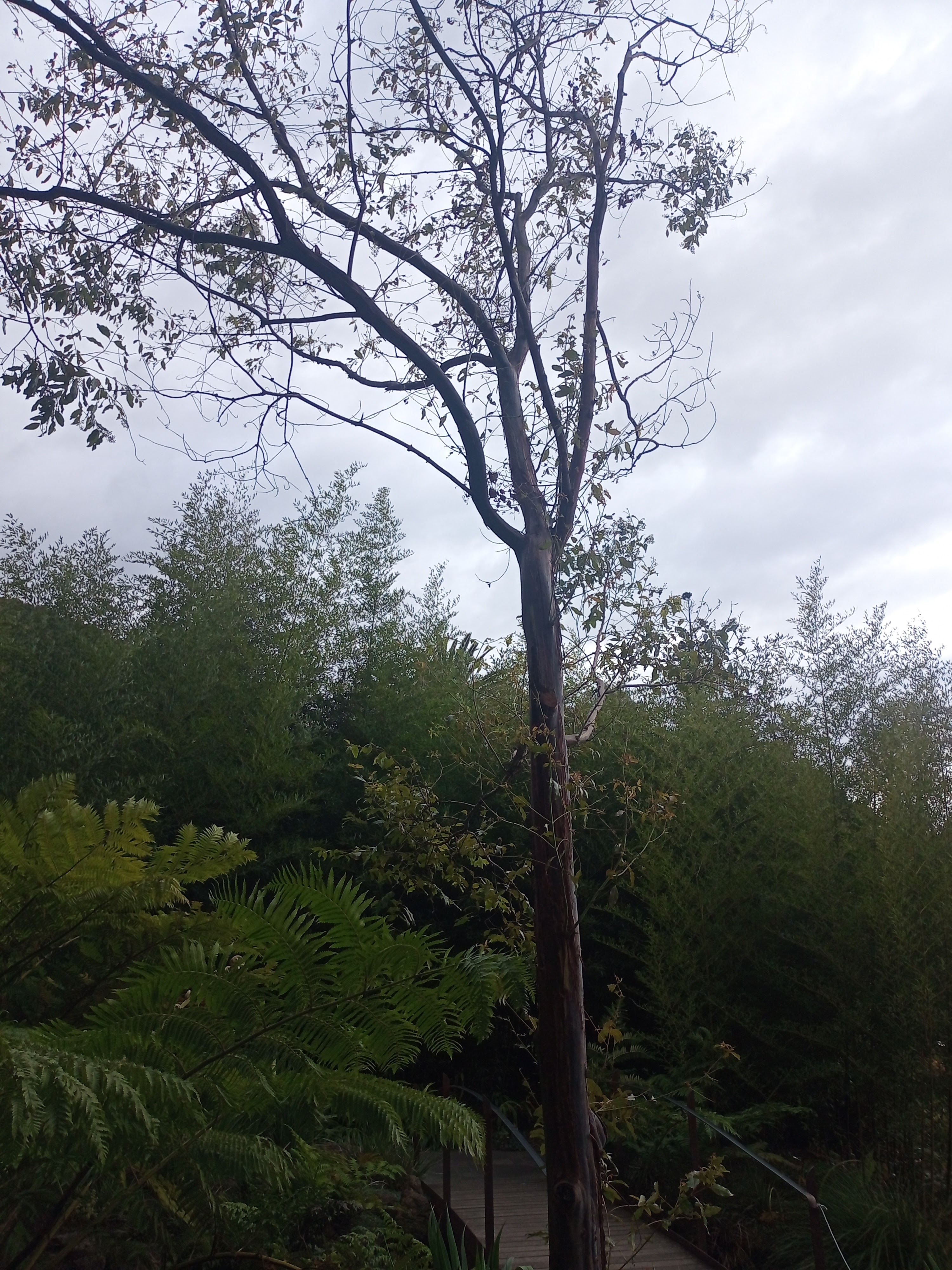
Eucalyptus Dasgupta, also known as Rainbow Gum, is a young tree that is just beginning to display its vibrant colors. You can find it in the botanical garden, near the swans’ lake. Originating from tropical forests, this native plant from New Guinea, the Philippines, and Indonesia can grow to impressive heights of 30 to 40 meters.
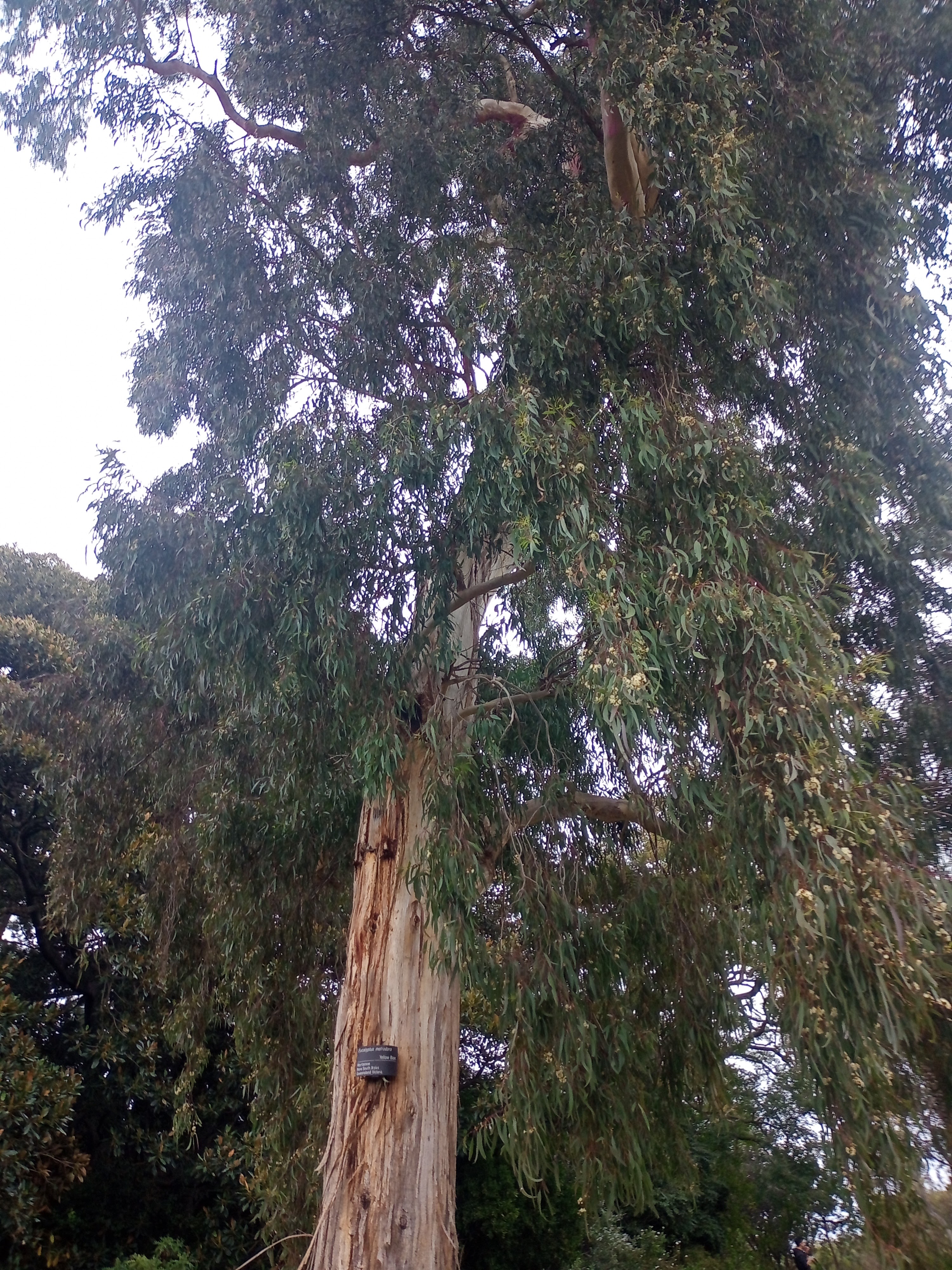
Eucalyptus melliodora (Yellow box)
Eucalyptus melliodora, commonly known as Yellow Box, emits a delightful fragrance that fills the air when you approach the tree. It is highly valued for honey production, as bees are particularly fond of it.
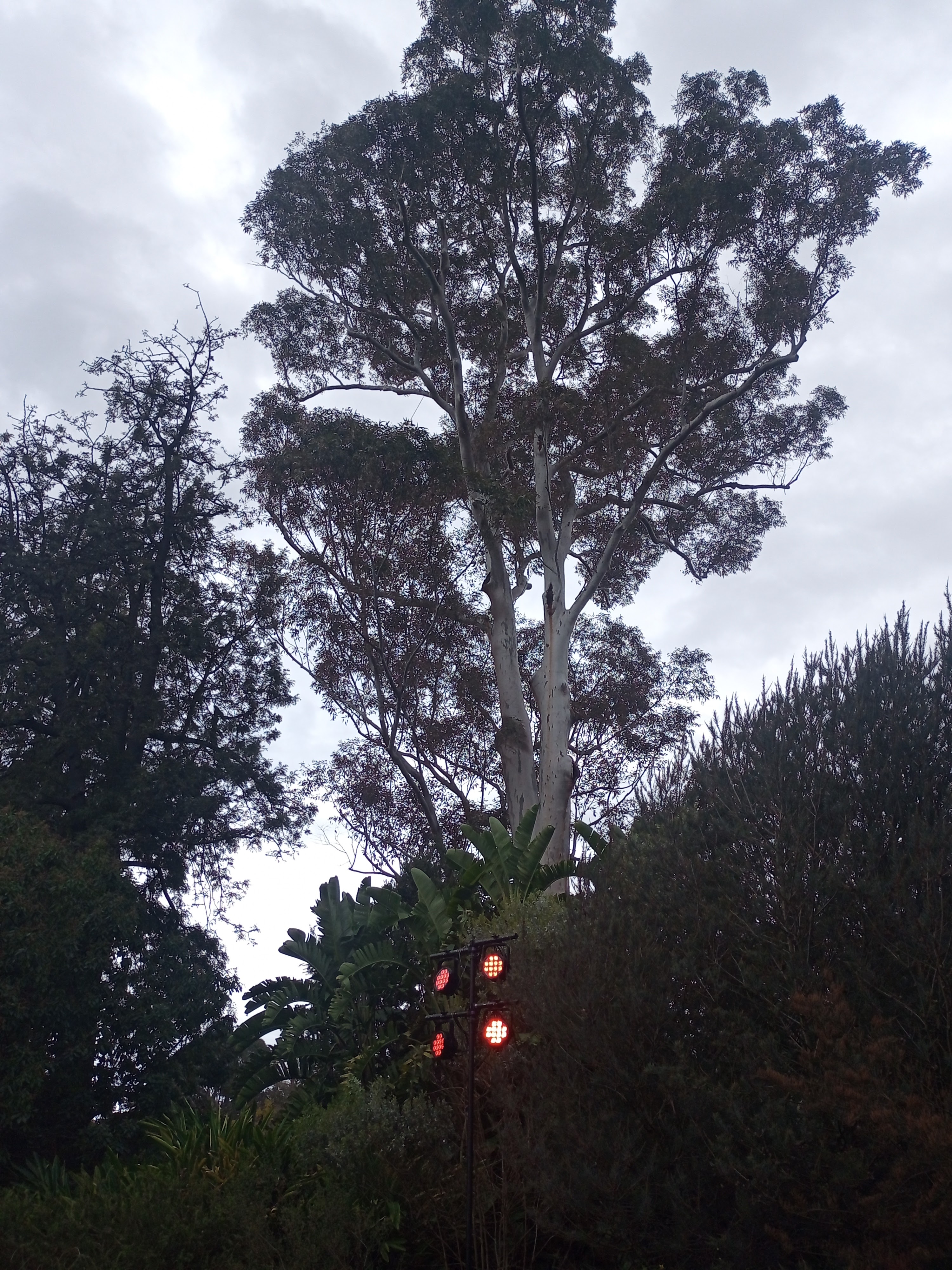
Euc. sligna: Sydney Blue Gum
Eucalyptus sligna, commonly known as Sydney Blue Gum, holds the distinction of being the first eucalyptus tree planted in the garden back in 1847. Today, this historic tree stands behind some lights, amidst the enchanting Light Escape event taking place in the garden.
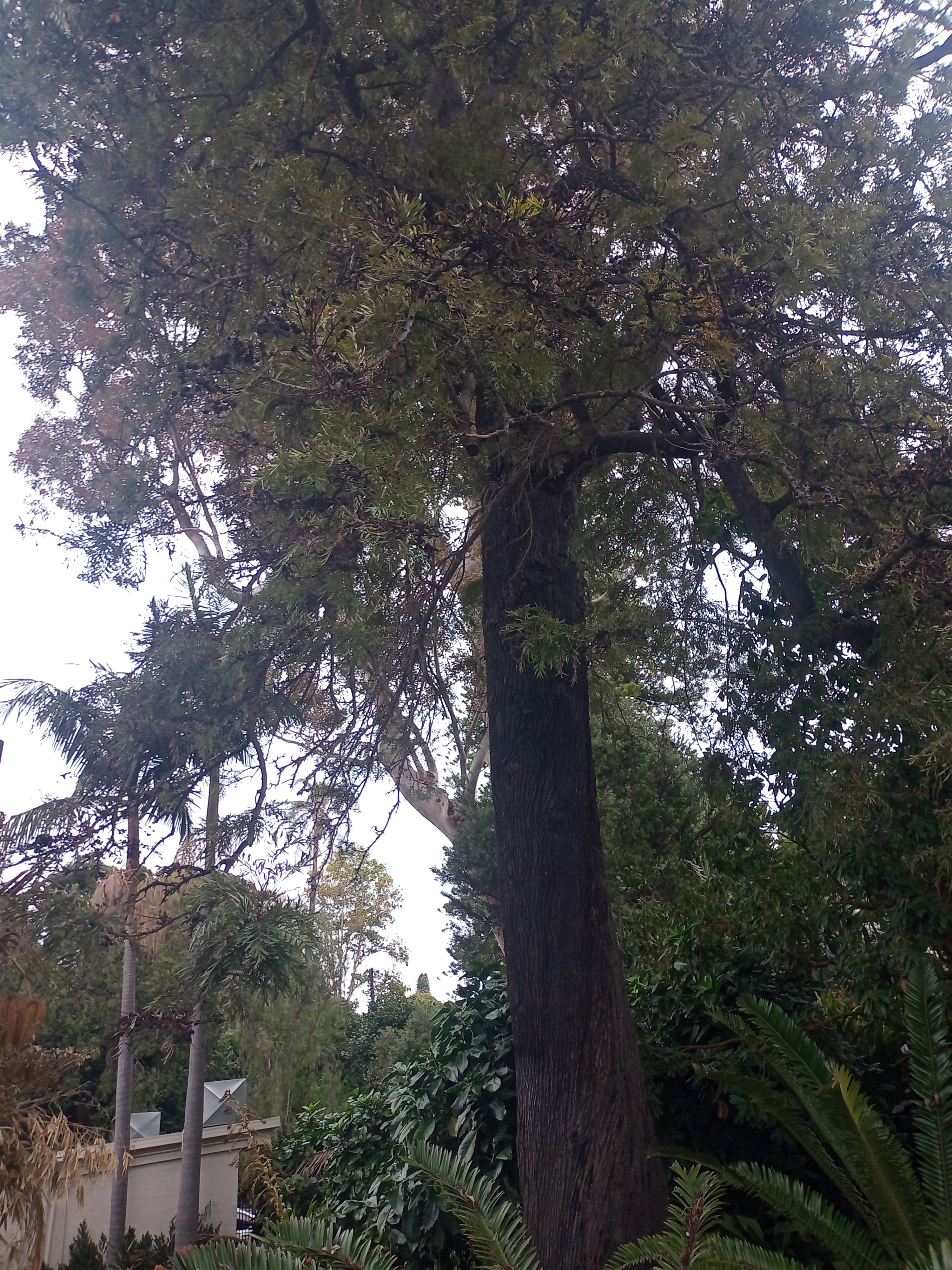
Grevillea robusta is a stunning yellow tree situated near the cafe in the garden.
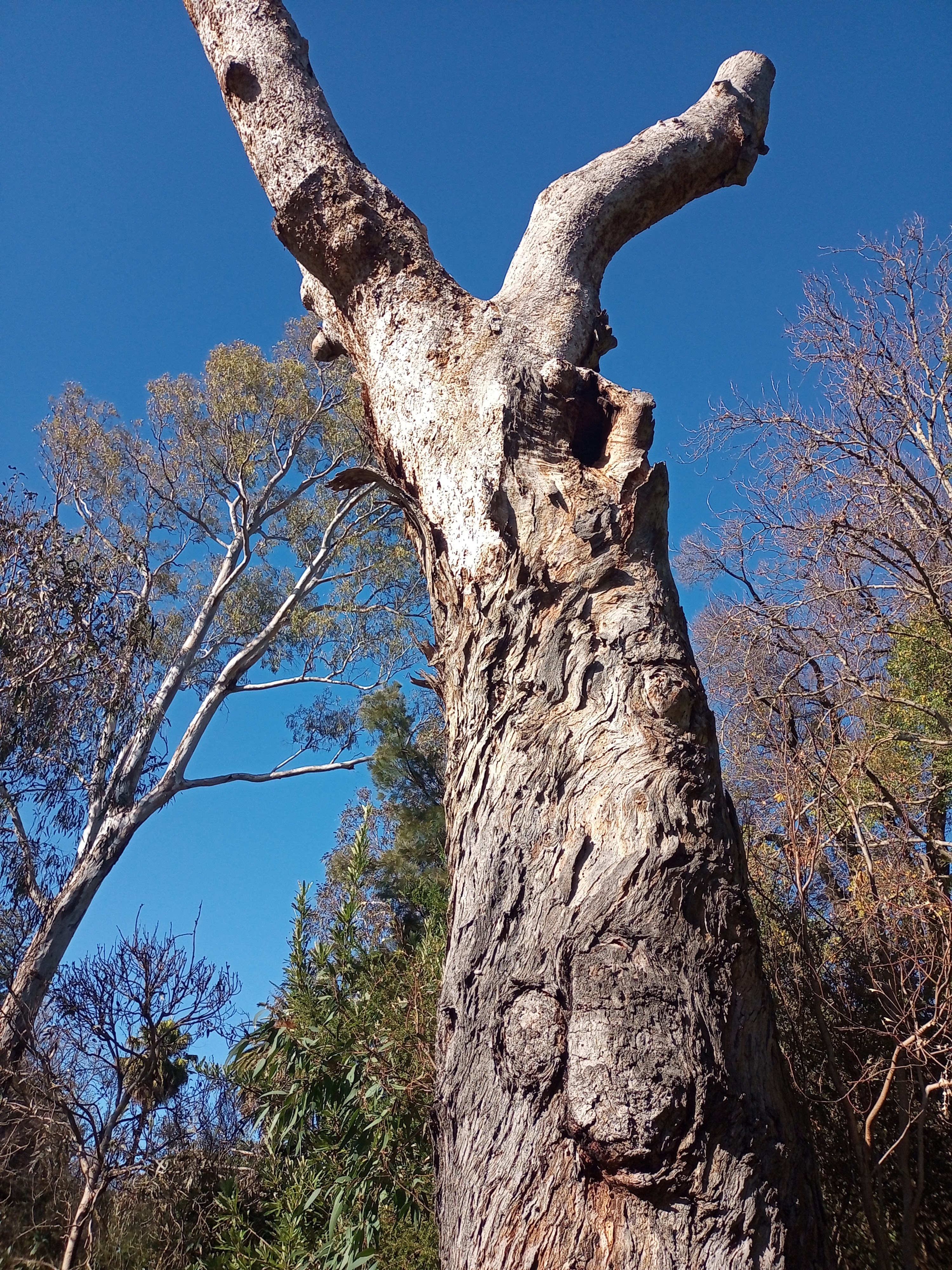
Separation tree
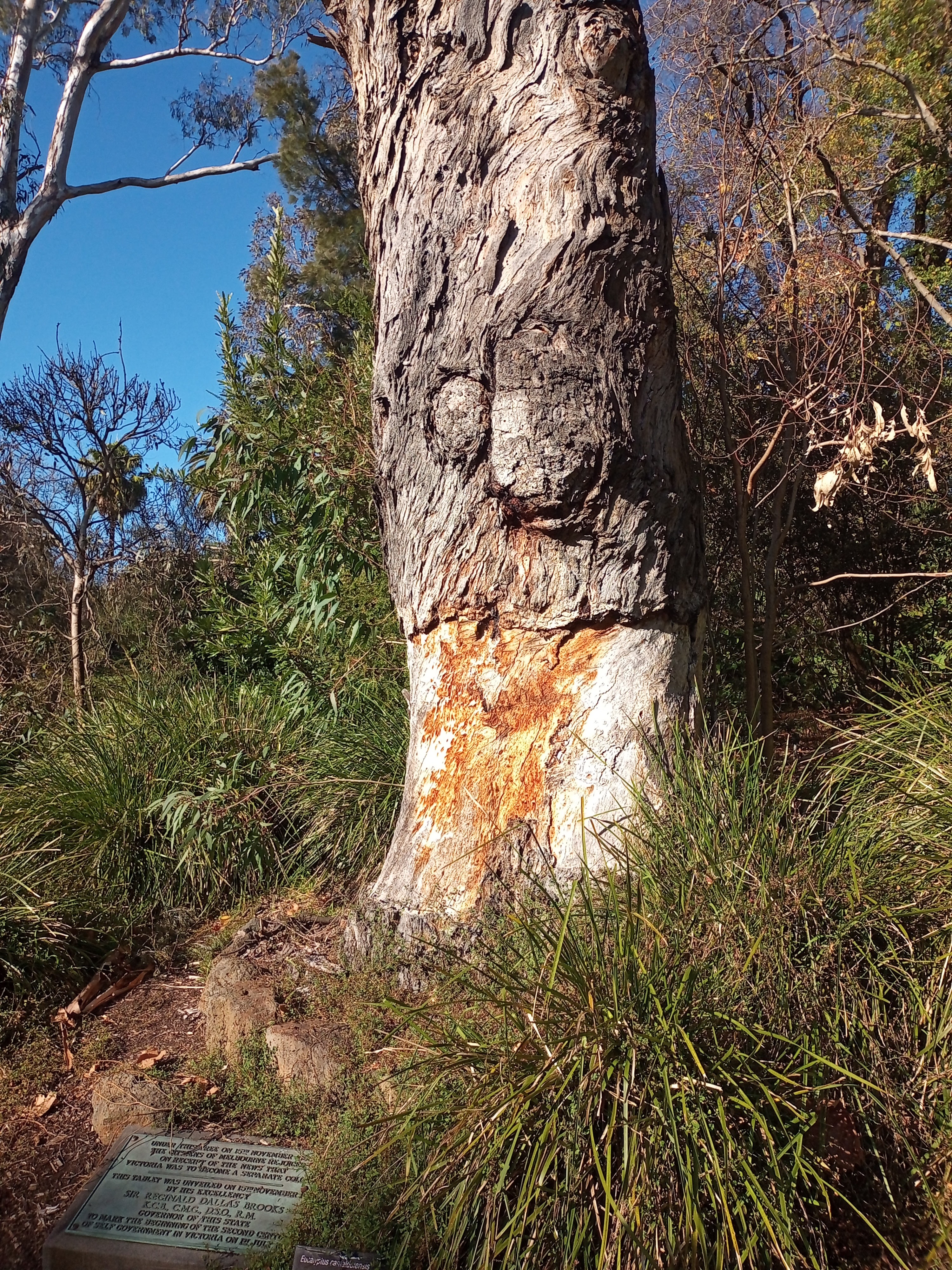
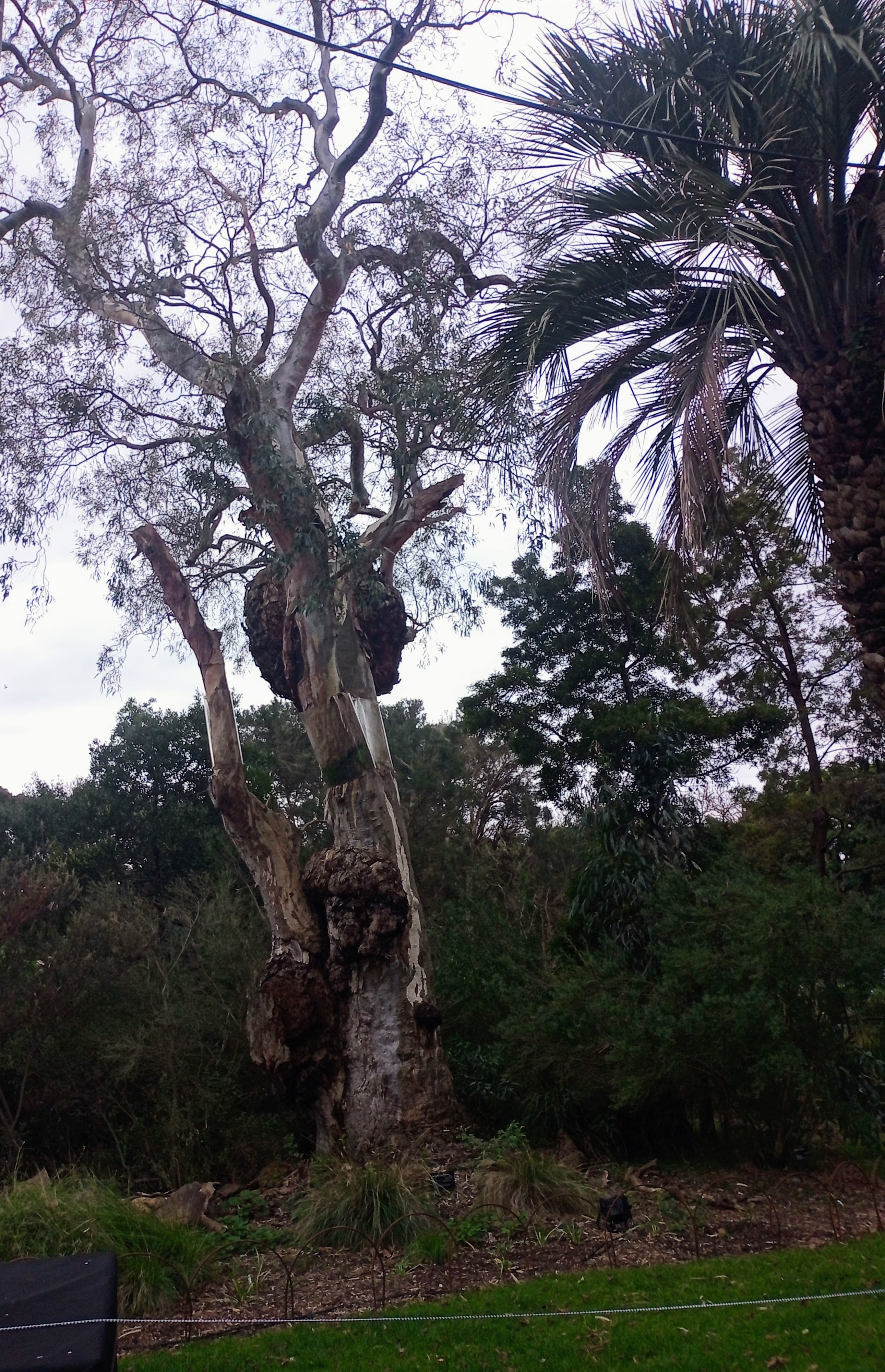
Lions Head: Euc. Camaldulensis
A walk presentd by:
Robin Viney & Julian Simpson
Post and photos by: Vanessa Silva


 CONFISSÕES NEGRAS
Deixe um comentário